Ecuador, on the Wild Side
From a naturalistic point of view, Ecuador is best known for the exceptional fauna of the Galapagos archipelago. But the continental part of the country is also worth discovering. For it is thanks to this that Ecuador is the most emblematic of the 12 countries for which we speak of "megabiodiversity", so rich and varied is the plant and animal life there.
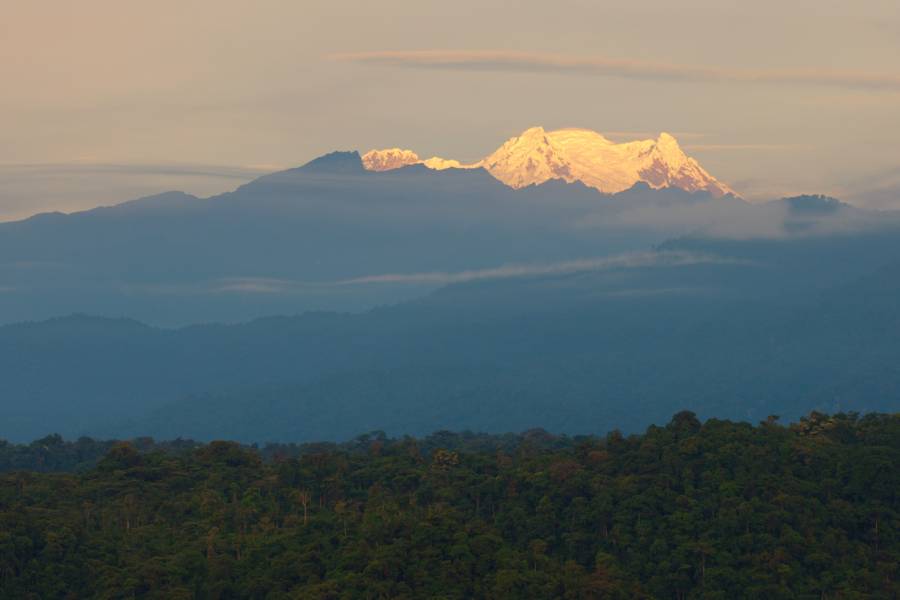
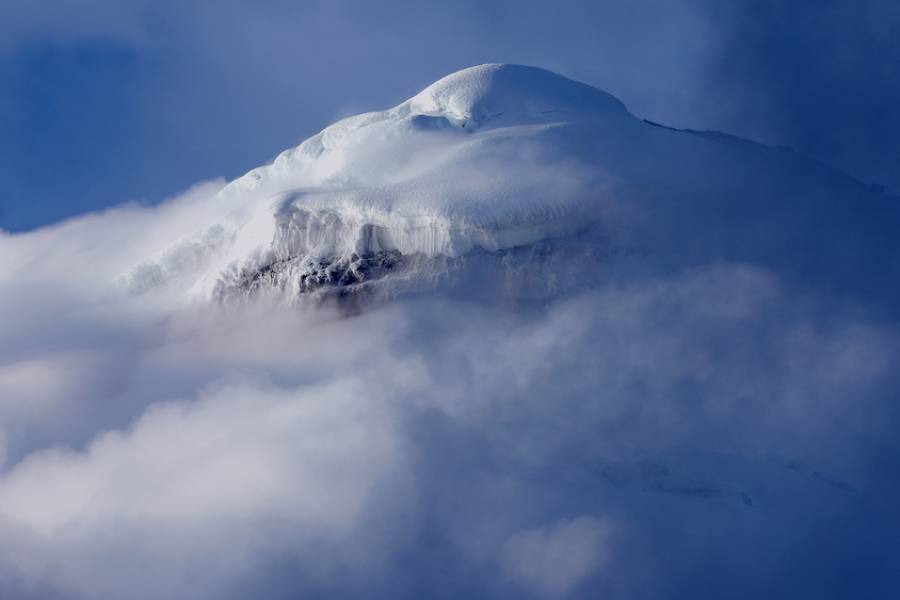
The film reveals the best preserved biotopes, from -5m to 5000m altitude. It runs from East to West: from the immense Amazonian forest, to the highest peak of the Ecuadorian Cordillera, passing through the eastern cloud forests in the first episode. The second episode descends through the western cloud forests, sets the Pacific coast ablaze before circling the Galapagos archipelago.
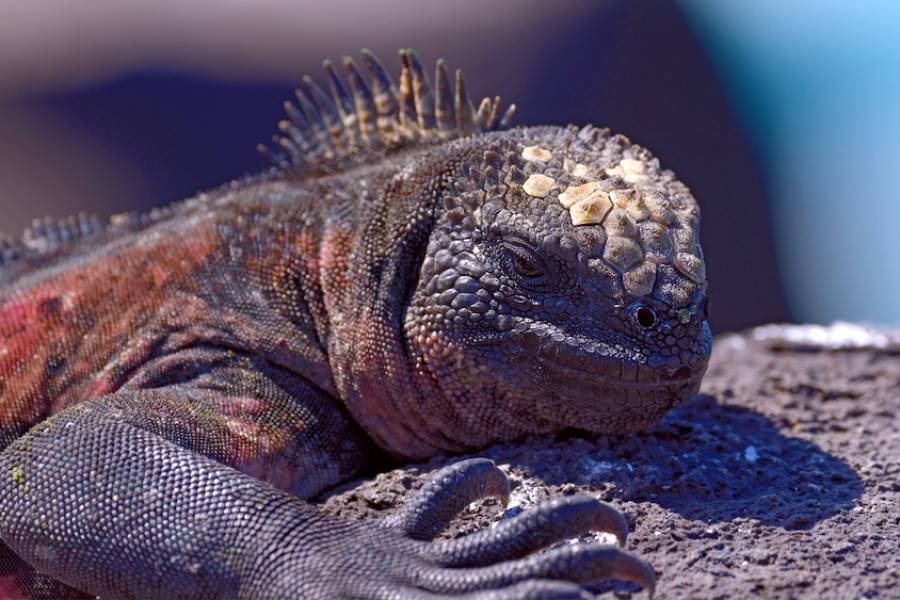
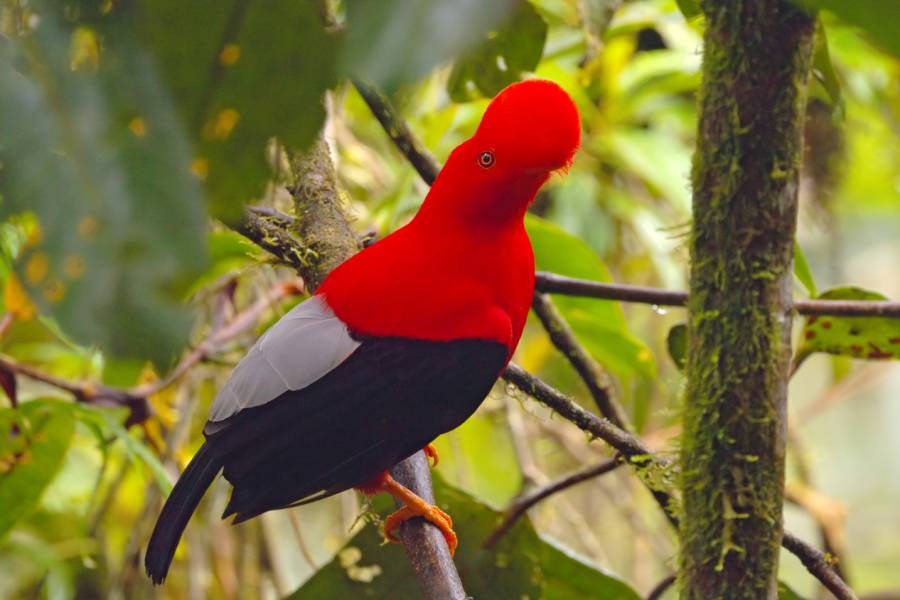
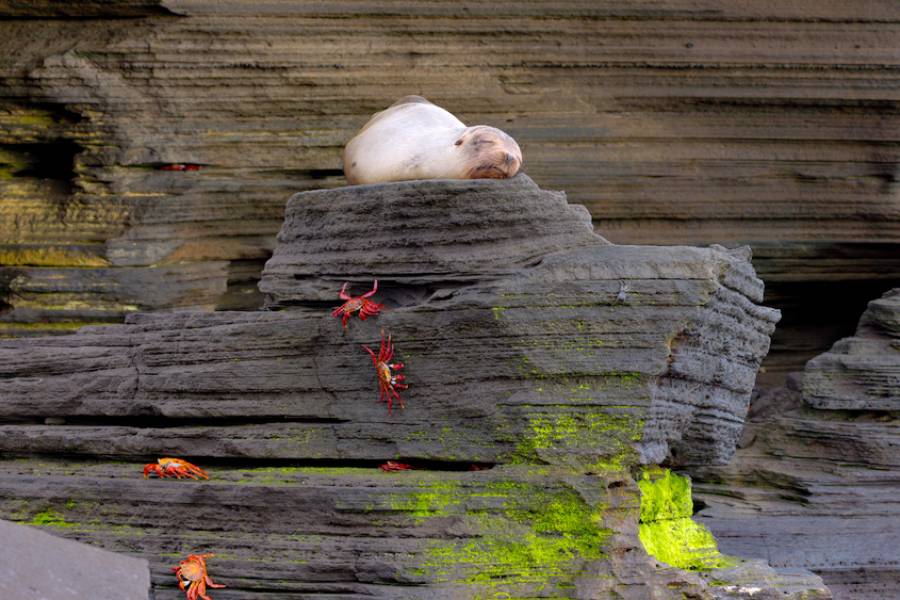
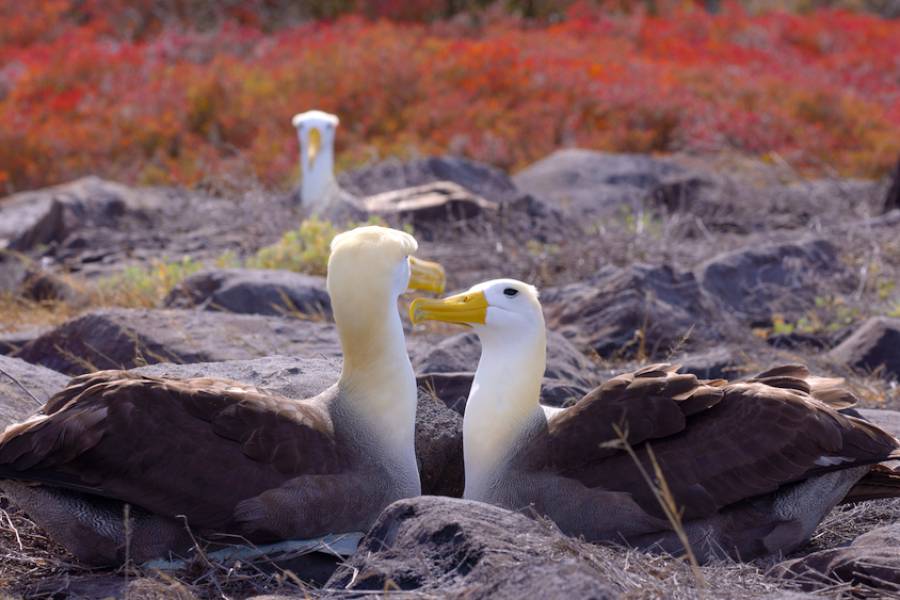
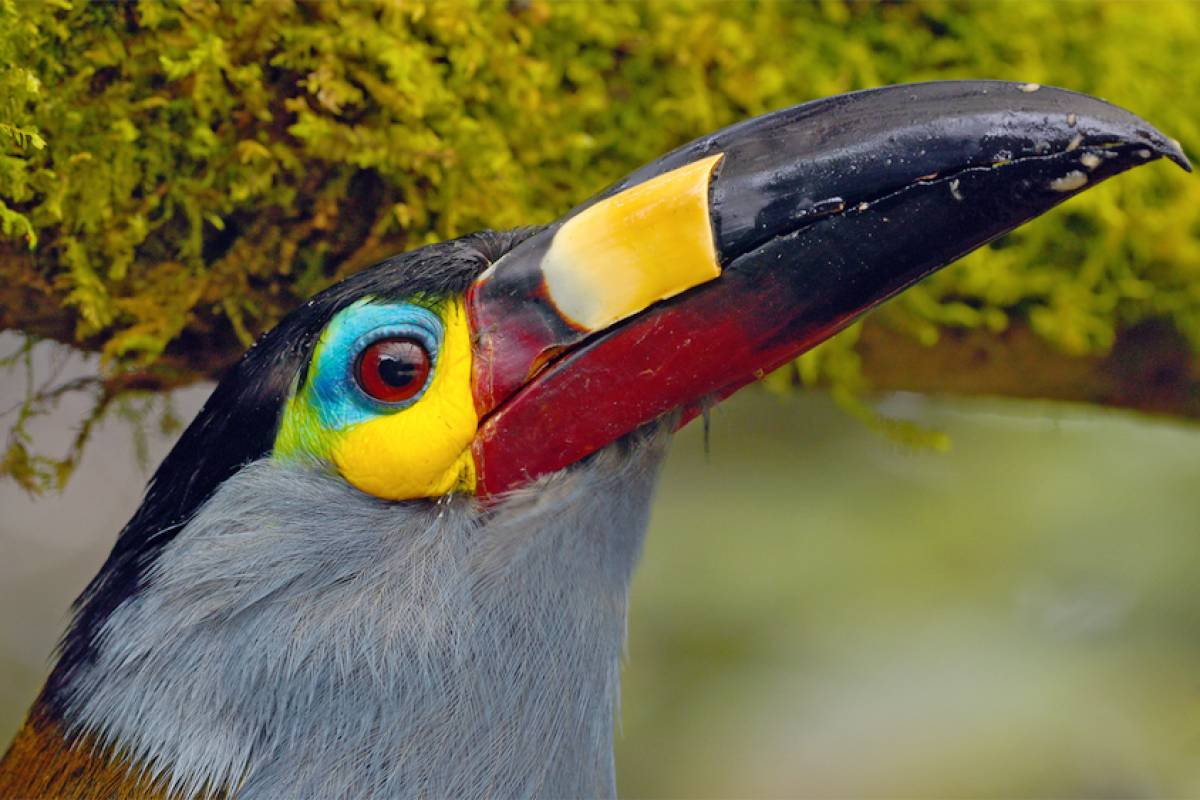
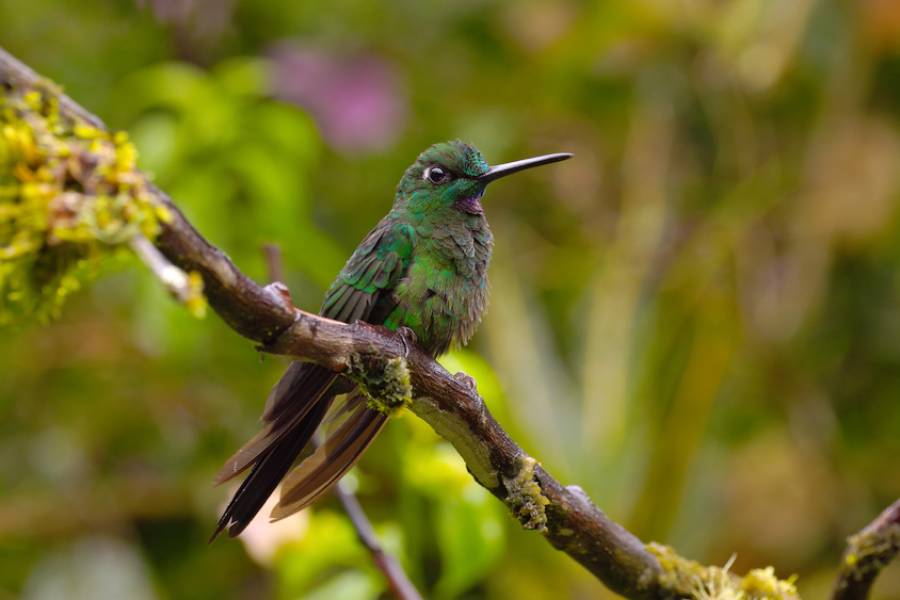
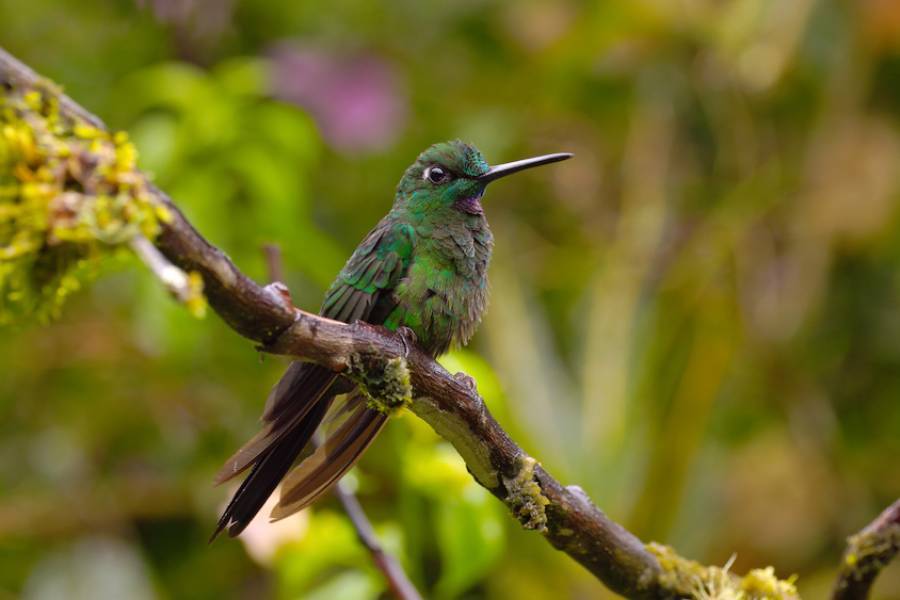
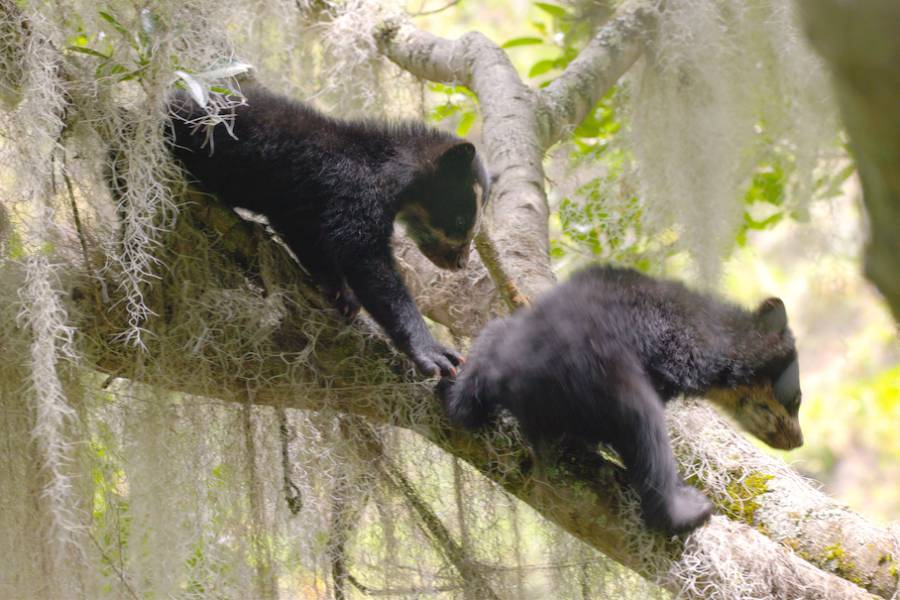
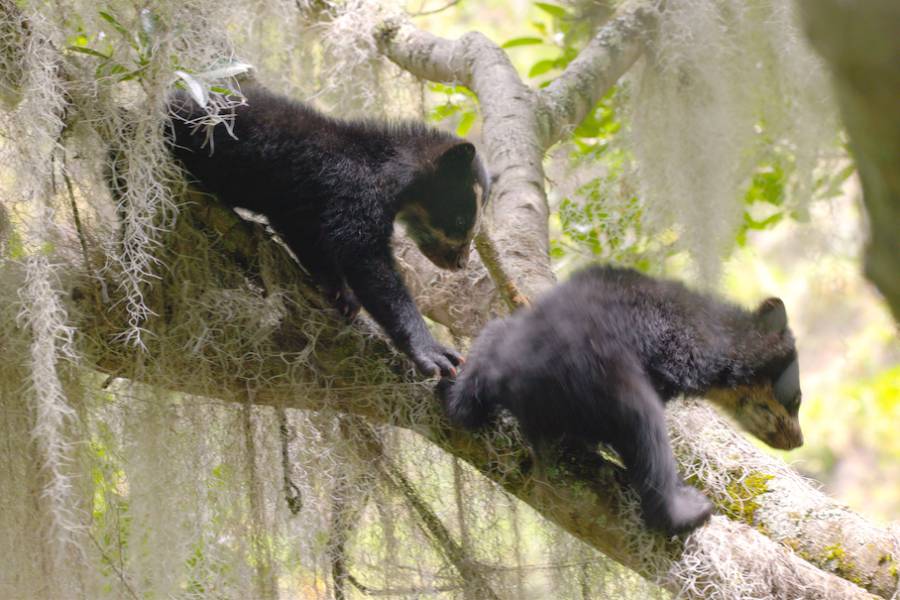
This journey takes us to meet the most emblematic animal species (Macaws, Toucans, Hummingbirds, Bears, Condors, Vultures, Monkeys, Marine Iguanas, Turtles, Sea lions, Frigatebirds, etc.) to share a few moments of their intimate life. For each species, the film evokes its habits, highlighting how it has perfectly adapted to its environment and found its place in relation to the other occupants. This adaptation is all the more essential as the biotopes are constantly changing: in Ecuador, the rise of the Andes mountain range, followed by the appearance of the Galapagos islands 4.5 million years ago, created new landscapes and new living conditions.
This demonstration aims to remind us of a fundamental condition, which is observed in all cases: in order to evolve from generation to generation, plants and animals need preserved spaces, of course, but also a great deal of time. However, the speed of deforestation and the brutality of global warming leave neither the places nor the time necessary for a major evolution of species.
In other words: it is precisely because nature knows how to adapt that it is all the more unfortunate not to give it time to do so.
52' - English
Screener
52' - French
Screener
52' - English
Screener
52' - French
Screener